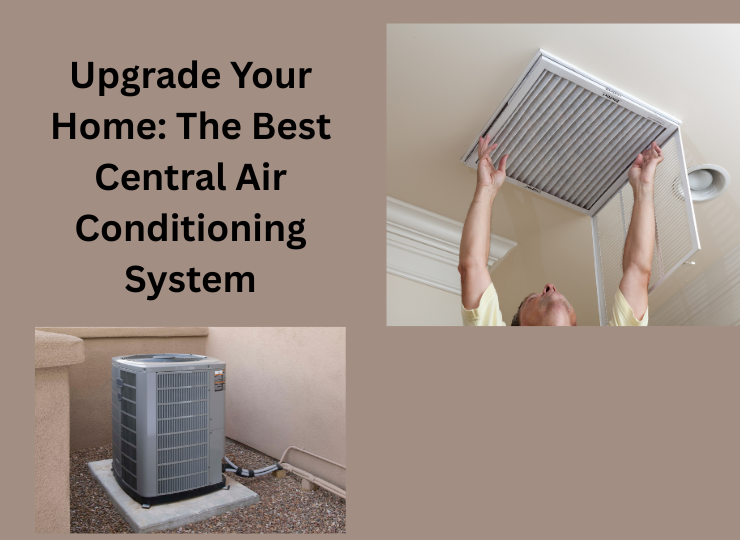

Upgrade Your Home with a Central Air Conditioning System
A Central Air Conditioning System is more than just a luxury—it’s a necessity for modern homes seeking comfort, energy efficiency, and consistent cooling throughout every room. Whether you’re experiencing rising summer temperatures or looking to replace an outdated unit, upgrading to a high-efficiency AC system can transform your living space while optimizing energy costs.
With a home air conditioning upgrade, homeowners can enjoy a whole house cooling system that provides even airflow, reduces indoor humidity, and enhances indoor air quality. But with numerous options available, choosing the best central AC system for your home can feel overwhelming. This guide will walk you through everything you need to know.
Why Choose a Central Air Conditioning System?
A Central Air Conditioning System offers multiple advantages over window units or split systems:
Consistent Cooling – Unlike portable units, a central air system distributes cool air evenly across every room.
Energy Efficiency – Modern high-efficiency AC systems use less electricity, reducing monthly utility bills.
Improved Home Value – Installing a new central air unit is an investment that boosts your property value.
Convenience and Comfort – Centralized control through thermostats or smart home systems ensures easy temperature management.
For homeowners considering a central air conditioner replacement, it’s crucial to choose a system that aligns with your home’s size, insulation, and cooling needs.
Signs It’s Time for a Central Air Conditioner Replacement
Replacing your existing AC may be the best choice if you notice:
Frequent breakdowns or repair needs
Rising energy bills despite moderate use
Uneven cooling in different rooms
Outdated technology lacking energy efficiency
Upgrading to a new central air unit ensures reliable performance and allows you to benefit from advanced HVAC system upgrades, including smart thermostats and zoned cooling options.
How to Choose the Best Central AC System
Selecting the best central AC system requires careful consideration of the following factors:
Cooling Capacity – Measured in BTUs, this determines how efficiently your system cools your home. A professional assessment ensures proper sizing.
Energy Efficiency Rating – Look for SEER ratings of 16 or higher to maximize savings with a high-efficiency AC system.
System Type – Options include split systems, packaged units, and ductless central air setups. Each has unique benefits depending on your home layout.
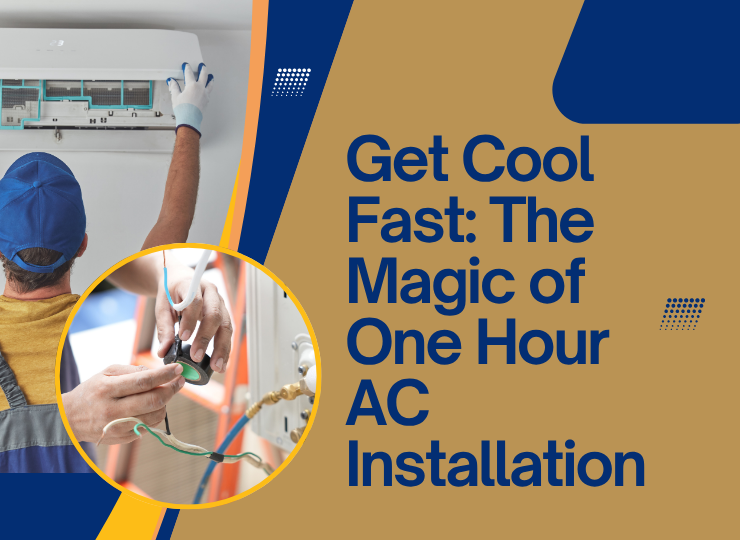
Installation Quality – A professional air conditioning installation cost may seem high initially, but proper installation ensures durability, efficiency, and fewer maintenance issues.
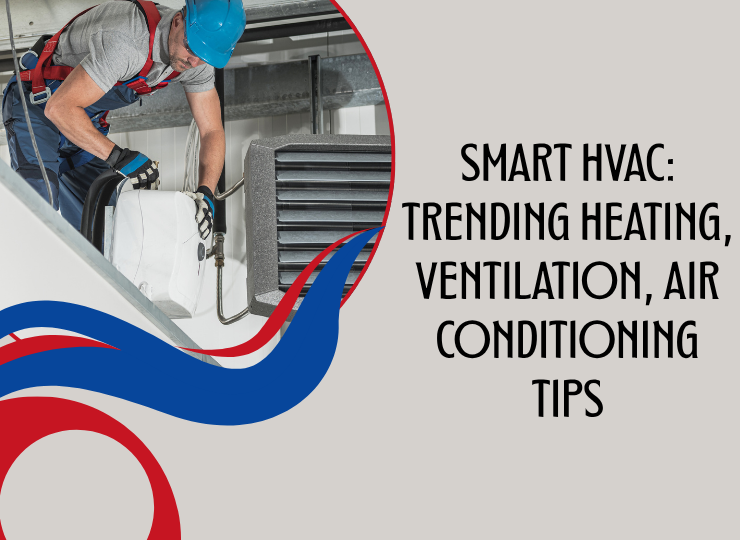
For expert guidance on maintaining a smart and efficient system, check out our article on Smart HVAC: Trending Heating, Ventilation, Air Conditioning Tips.
Benefits of a High-Efficiency Central Air Conditioning System
Investing in a high-efficiency AC system offers multiple advantages:
Lower Energy Bills: Energy-efficient units consume less electricity, providing long-term savings.
Eco-Friendly Operation: Reduced energy consumption translates to a smaller carbon footprint.
Enhanced Comfort: Modern units maintain a consistent indoor temperature while controlling humidity.
Quiet Performance: Advanced technology ensures minimal noise for peaceful home environments.
Whether you’re planning a home air conditioning upgrade or installing a new central air unit, choosing high-efficiency technology is essential for comfort and cost-effectiveness.
Planning Your Home Air Conditioning Upgrade
Before investing in a Central Air Conditioning System, it’s important to plan carefully:
Assess Your Current System: Identify inefficiencies or breakdowns that justify a central air conditioner replacement.
Determine Cooling Needs: Calculate the appropriate BTU capacity for your home to avoid under- or over-sized systems.
Set a Budget: Include the air conditioning installation cost, maintenance, and energy savings potential.
Select a Trusted Installer: Professional installation ensures your whole house cooling system operates optimally for years.
A well-planned HVAC system upgrade not only improves comfort but also prevents future repair costs and ensures your system is energy-efficient.
Whole House Cooling System for Ultimate Comfort
A Central Air Conditioning System acts as a whole house cooling system, delivering consistent temperature control to every room. Unlike localized cooling methods, central air provides:
Even air distribution throughout your home
Reduced humidity levels for better indoor air quality
Integration with smart thermostats and automation systems
By investing in a new central air unit, homeowners enjoy reliable, year-round comfort with minimal effort.
Cost Considerations for Central Air Conditioning Installation
The air conditioning installation cost varies depending on factors like home size, system type, and efficiency rating. On average:
Basic systems may cost between $3,500–$5,500
High-efficiency or advanced systems may range from $6,000–$10,000
While the upfront investment may seem significant, the long-term savings on energy bills and reduced repair costs make a Central Air Conditioning System a smart choice for modern homes.
Final Thoughts: Upgrade Your Home Today
Upgrading to a Central Air Conditioning System is a transformative decision for any homeowner seeking comfort, efficiency, and reliability. Whether you’re opting for a home air conditioning upgrade, a central air conditioner replacement, or installing a new central air unit, the benefits are clear:
Consistent, whole-home cooling
Lower energy costs with high-efficiency systems
Enhanced home value and indoor comfort
Invest in the best central AC system today and enjoy the perfect balance of performance, efficiency, and convenience. Your home deserves a high-efficiency AC system that keeps you cool, comfortable, and stress-free.