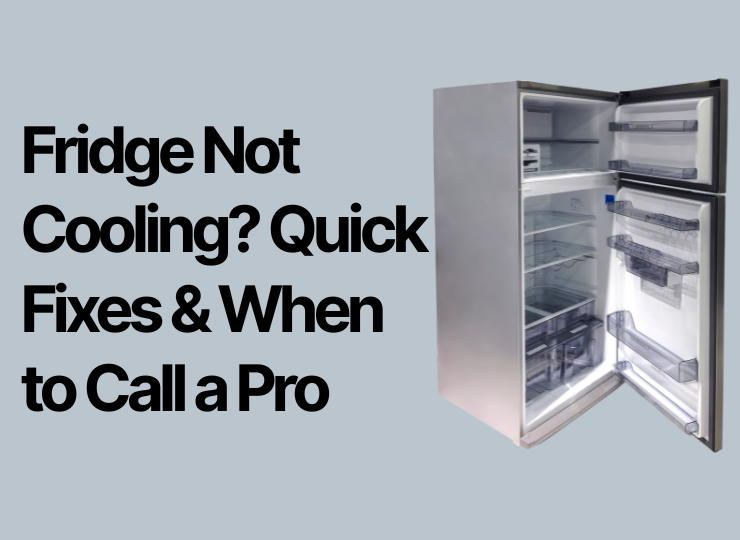

Fridge Not Cooling? Quick Fixes & When to Call a Pro
Few appliance problems are as frustrating as opening your refrigerator and realizing the Fridge Not Cooling as it should. Whether your groceries feel warm, your drinks aren’t chilled, or you notice the freezer working but fridge warm, this issue can cause food spoilage and costly waste. Fortunately, many cooling problems are minor and can be resolved with simple steps at home before calling a technician.
This guide explains the common fridge issues, how to troubleshoot refrigerator cooling failures, quick solutions you can try immediately, and when it’s time to call a professional for a proper repair.
Why Is My Fridge Not Cooling? Most Common Causes
When your refrigerator not cooling properly, the problem usually comes from one of a few common sources. Understanding these reasons helps you diagnose the issue faster.
1. Dirty Condenser Coils
The condenser coils release heat from the fridge. When covered in dust or grease, they can’t cool efficiently. This is one of the most common causes of a Fridge Not Cooling problem.
2. Blocked Air Vents
Cold air must circulate from the freezer to the refrigerator. Items pushed against the vents can stop this airflow, causing you to wonder why is my fridge warm despite the freezer working.
3. Faulty Thermostat or Temperature Control
Accidental temperature adjustments or thermostat malfunction can lead to a refrigerator not cooling even when the power is fine.
4. Evaporator Fan Problems
If the fan responsible for moving cold air stops working, you’ll notice the freezer working but fridge warm because cooling can’t circulate.
5. Low Refrigerant or Compressor Issues
When internal components fail, only a technician can properly diagnose the issue. These cases often require a refrigerator service call.
Quick Fixes You Can Try When the Fridge Is Not Cooling
Before spending money on a technician, there are several refrigerator repair tips and DIY fridge repair steps you can try on your own.
1. Check Power and Temperature Settings
It sounds simple, but many homeowners overlook this step.
Ensure the fridge is plugged in tightly.
Confirm the temperature is set between 37–40°F for the fridge and 0°F for the freezer.
Incorrect settings can easily make it seem like your Fridge Not Cooling.
2. Clean the Condenser Coils
If your fridge has coils on the back or underneath, unplug it and gently vacuum the dust. This quick fix for fridge cooling issues often restores normal temperature within a few hours.
3. Rearrange Items to Improve Airflow
Check for blocked vents. If items are stacked against the back wall, move them to allow proper circulation. This simple step can solve many common fridge issues without tools.
4. Inspect the Door Seals
Damaged or dirty gaskets allow cold air to escape.
Try the paper test:
Close a sheet of paper in the door.
If it slides out easily, your seal may need replacing.
5. Reset the Refrigerator
Many modern models respond well to a power reset.
Unplug the fridge for 5 minutes.
Plug it back in and listen for the compressor.
This small step often helps when the refrigerator not cooling due to temporary system glitches.
When the Freezer Works but the Fridge Is Warm
A common complaint is freezer working but fridge warm, which usually indicates an airflow or fan problem. Here’s what you can check:
1. Freezer Frost Buildup
Heavy frost can block the vents that send cold air into the fridge.
Manually defrost the freezer by unplugging the unit for a few hours.
2. Evaporator Fan Not Spinning
If you open the freezer and don’t hear a small fan running, it may be broken. A faulty fan means the fridge section cannot receive cold air, causing a Fridge Not Cooling problem.
3. Damper Control Issues
The damper opens and closes to regulate airflow. If it gets stuck shut, your fridge stays warm even when the freezer operates normally.
These problems typically require a professional to repair fridge not cooling, especially when internal components are involved.
When to Call a Professional Refrigerator Technician
While many basic fixes can be done at home, some situations demand expert attention. You should arrange a refrigerator service call if:
1. You Hear Clicking, Buzzing, or Humming Noises
Strange sounds often mean compressor or motor problems.
2. The Fridge Remains Warm After Basic Troubleshooting
If none of the above troubleshoot refrigerator steps worked, a deeper issue such as refrigerant leaks or electrical failure may be the culprit.
3. The Compressor Is Running Constantly
This is a sign that the fridge is struggling to reach the correct temperature and needs professional diagnosis.
4. Ice or Water Is Leaking Inside the Fridge
Leaks can indicate issues with defrost systems, drainage tubes, or cooling coils.
A reliable technician will identify the root cause and repair fridge not cooling issues safely and efficiently, preventing damage to your appliance.
Preventing Future Cooling Problems
To avoid dealing with a Fridge Not Cooling emergency again, follow these routine maintenance tips:
Clean coils every 6 months.
Keep food organized to avoid blocking vents.
Check seals regularly for wear.
Avoid overloading the fridge.
Maintain stable room temperature if the fridge operates in a garage or hot environment.
These simple habits limit the chances of repeat cooling problems and extend the life of your appliance.
Related Home Appliance Guide
If you also deal with AC issues, you may find this helpful:
AC Not Cooling? Fast Fixes for Your Air Conditioner Now
Final Thoughts
A Fridge Not Cooling situation can be stressful, but many issues are easily fixable without tools or experience. From cleaning coils to adjusting airflow, several DIY fridge repair steps can restore cooling quickly. However, if the problem persists or involves internal components, it’s best to contact a professional for a refrigerator service call.