
AC Not Cooling? Fast Fixes for Your Air Conditioner Now
When the summer heat rises, nothing is more frustrating than an Air Conditioner Not Cooling. Whether you use a window AC or a central system, cooling problems can disrupt comfort and even signal deeper mechanical issues. At Gada Electronic, we know how essential a reliable cooling system is. That’s why this guide covers AC troubleshooting, quick fixes, and expert tips to get your unit working again—fast.
Understanding the Problem: Why Is Your Air Conditioner Not Cooling?
An Air Conditioner Not Cooling can happen for many reasons, from airflow obstructions to electrical malfunctions. Before scheduling an air conditioning repair, it helps to understand what might be causing the issue.
Common causes include:
Dirty air filters
Low refrigerant levels
Blocked condenser coils
Faulty thermostat settings
Electrical issues
Frozen evaporator coils
Each of these problems affects the AC’s cooling efficiency and may lead to symptoms like your air conditioner fan running but no cold air or even the AC blowing warm air.
1. Check the Thermostat Before Anything Else
One of the most overlooked steps in AC troubleshooting is confirming that the thermostat is set correctly.
Make sure:
It’s set to Cool mode
The temperature is set lower than the current room temperature
The batteries are not dead
A malfunctioning thermostat can often mimic the symptoms of an Air Conditioner Not Cooling, making it look like the system is failing when it simply isn’t receiving the right signals.
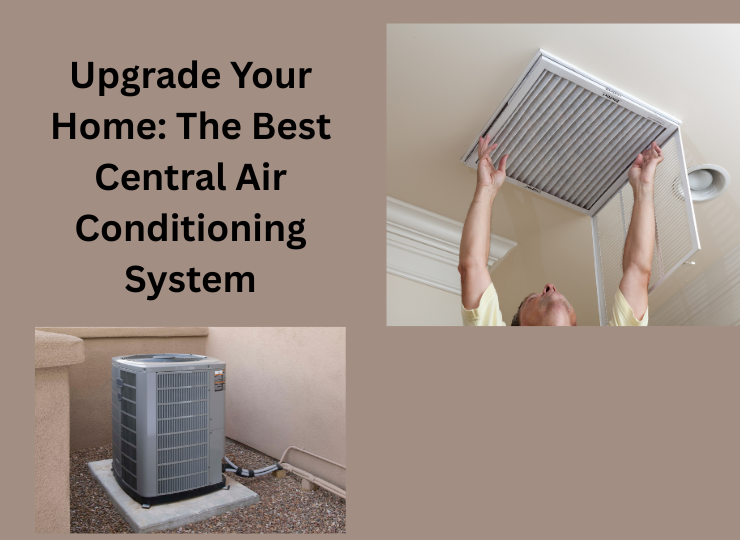
2. Inspect and Clean Dirty Air Filters
A clogged air filter restricts airflow and is one of the most common reasons for a central air not blowing cold. Dirty filters make your unit work harder, reduce efficiency, and cause the evaporator coil to freeze.
What to Do:
Remove the filter
Clean or replace it (depending on type)
Reinstall and check airflow
This AC quick fix often restores cooling within minutes.
3. Examine the Outdoor Unit: Condenser Problems
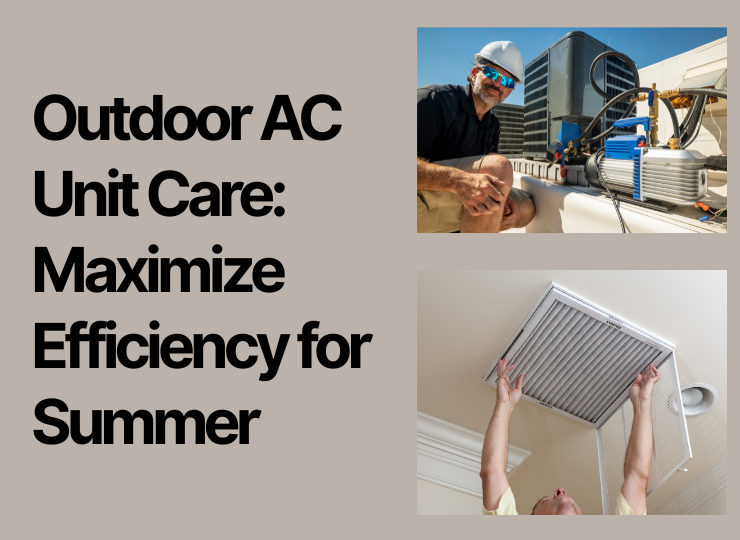
If your condenser unit not working properly, your AC will struggle to cool. The outdoor unit needs unobstructed airflow to release heat from your home.
Steps to Fix:
Clear debris like leaves, dust, and weeds
Ensure the fan spins freely
Wash the coils gently with water
A dirty or blocked condenser often leads to an Air Conditioner Not Cooling, especially during peak summer months.
4. Check for Ice on the Evaporator Coil
Frozen coils are another major reason for an AC blowing warm air. When airflow drops—often due to dirty filters or blocked vents—the evaporator coil freezes.
How to Fix It:
Turn the AC off
Let it thaw for a few hours
Turn it back on once completely defrosted
If freezing happens again, you may have low refrigerant or airflow issues requiring professional air conditioning repair.
5. Evaluate the Air Vents and Airflow Paths
Blocked or closed vents can make it feel like your Air Conditioner Not Cooling, even though the system is fine.
Checklist:
Open all supply vents fully
Remove furniture blocking airflow
Clean dust from vent grilles
This applies to both central air not blowing cold and window AC not cooling situations.
6. Is the AC Running, but No Cold Air?
If you notice the air conditioner fan running but no cold air, the issue is often refrigerant-related or connected to compressor failure.
Possible Causes:
Refrigerant leak
Faulty compressor
Electrical relay issues
These require expert diagnosis. Avoid DIY fixes involving refrigerant—always call a trained technician.
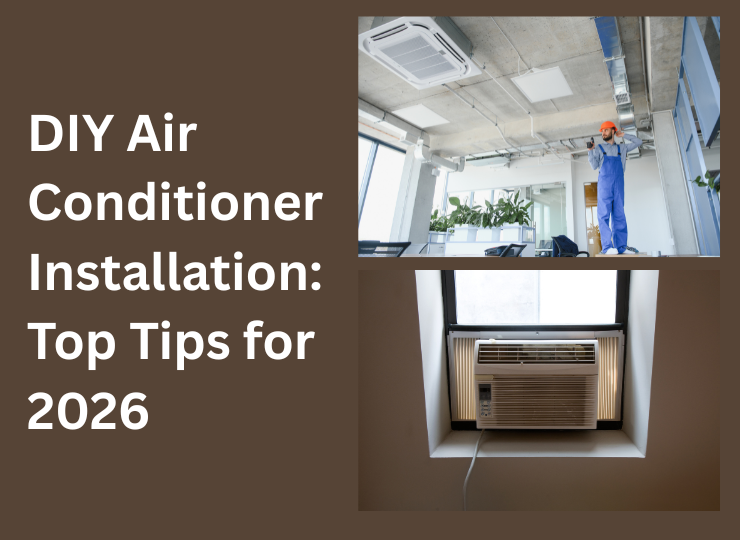
7. Troubleshooting a Window AC Not Cooling
A window AC not cooling can be especially troublesome in small rooms. Fortunately, there are several easy checks:
Ensure the unit is securely sealed in the window
Clean the filter and the evaporator
Check if the fan mode is incorrectly set
Remove ice buildup
Inspect the rear coils for dirt or damage
Window units tend to accumulate dust faster than split or central systems, making routine cleaning essential.
8. Reset the Air Conditioner
Sometimes, a simple reset can resolve an Air Conditioner Not Cooling issue.
To Reset:
Turn off the thermostat
Cut power from the breaker panel
Wait 1–2 minutes
Restore power and restart the system
Resets can fix minor electronic glitches, especially after a power surge.
9. Inspect the Condenser Fan and Motor
A failing condenser fan leads to inadequate heat expulsion, which causes the AC to blow warm air or stop cooling entirely.
Warning Signs:
Loud rattling noises
Fan spinning slowly
Motor overheating
If you suspect these symptoms, professional fixing AC problems is the safest route.
10. When to Call a Professional Technician
Not every Air Conditioner Not Cooling issue can be solved at home. You should call a technician when:
Cooling does not return after cleaning filters and coils
There is ice formation repeatedly
The unit emits burning smells
The compressor stops working
You suspect a refrigerant leak
Ignoring these problems may lead to further damage and higher repair costs.
Helpful Resource: Improve Your HVAC Knowledge
Want to learn more about HVAC systems and how they function? Check out our detailed guide on
Heating Ventilation And Air Conditioning Tips.
It’s packed with insights to help you prevent future cooling problems.
Final Thoughts
Dealing with an Air Conditioner Not Cooling can be stressful, especially during hot months. However, many cooling issues stem from simple, fixable problems such as dirty filters, thermostat errors, or blocked condenser units. With the right AC troubleshooting steps and timely maintenance, you can restore comfort quickly and avoid expensive air conditioning repair services.
When home fixes aren’t enough, professional diagnostics are essential for problems like refrigerant leaks, compressor failure, and electrical faults. Whether you’re dealing with central air not blowing cold, a window AC not cooling, or an AC blowing warm air, understanding the root cause helps you act faster and smarter.