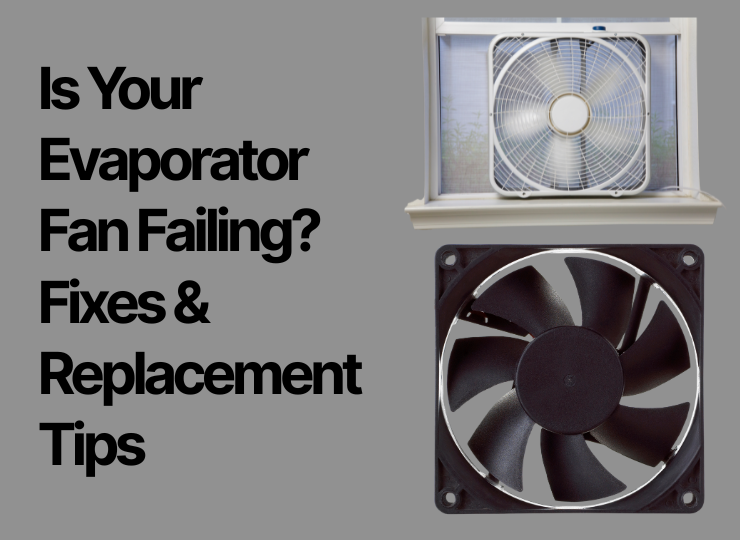

Is Your Evaporator Fan Failing? Fixes & Replacement Tips
A reliable refrigerator is essential in every home, and at the heart of its cooling system is the Evaporator Fan. When this small but powerful component begins to fail, you may notice temperature inconsistencies, strange noises, or even spoiled food. Understanding the signs of a failing evaporator fan, along with knowing how to troubleshoot or replace it, can save you money and extend the life of your appliance.
In this guide, we’ll walk you through everything you need to know about diagnosing problems with your evaporator fan, performing basic repairs, and deciding when a full evaporator fan replacement is necessary.
What Does an Evaporator Fan Do?
The Evaporator Fan plays a critical role in your refrigerator’s cooling system. Located near the cooling coils inside the freezer, the fan circulates cold air through both the freezer and fridge compartments. Without this airflow, your refrigerator cannot maintain consistent temperatures.
A refrigerator evaporator fan also helps regulate humidity and prevents frost buildup. When it begins to fail, your appliance's efficiency drops dramatically, and your food storage suffers.
Common Signs of a Failing Evaporator Fan
Recognizing the signs of a failing evaporator fan early can help prevent bigger issues later. Here are the most common indicators:
1. Strange Noises from the Freezer
If you hear clicking, buzzing, or grinding sounds, your fan motor or blades may be damaged. A broken freezer fan often produces loud noises as it struggles to spin.
2. Freezer Cold but Refrigerator Warm
This is one of the clearest signs that the Evaporator Fan isn’t functioning. Cold air stays trapped in the freezer, leaving the refrigerator section too warm.
3. Frost Buildup on Coils
When the fan fails, airflow decreases and frost starts forming around the evaporator coils.
4. Freezer Fan Not Working Completely
If the freezer fan not working becomes a frequent issue, the motor may be worn out. In this case, adjusting or cleaning isn’t enough—you may need a full evaporator fan repair or replacement.
Why Does an Evaporator Fan Fail?
Several factors can cause an evaporator fan to stop working properly:
Dust and debris clogging the motor
Worn-out motor bearings
Damaged or obstructed fan blades
Electrical failures within the control board
Ice buildup due to a faulty defrost system
Most of these issues can be diagnosed with careful observation and basic troubleshooting.
How to Fix an Evaporator Fan: Step-by-Step Troubleshooting
If your Evaporator Fan isn’t running properly, try these steps before calling a technician:
1. Unplug the Appliance
Always disconnect power before inspecting internal components.
2. Check for Ice Buildup
Ice around the fan can block the blades. If you see frost, defrost the freezer for 24 hours by leaving it unplugged and the door open.
3. Inspect the Fan Blades
Broken or obstructed blades prevent proper airflow. Clear any debris or replace damaged blades.
4. Test the Motor
Gently spin the fan by hand. If it feels tight or stuck, the motor may need replacing.
5. Listen for Motor Sounds
A humming or buzzing sound often indicates a failing motor.
If the above steps don’t resolve the issue, you may need evaporator fan repair or a full replacement.
Evaporator Fan Replacement: When Is It Necessary?
Replacement becomes necessary when:
The fan motor no longer spins freely
Repeated noises continue after cleaning
Electrical testing shows no voltage at the motor
The refrigerator remains warm despite other components working
A failing refrigerator evaporator fan can cause consistent cooling problems, so replacing it promptly prevents food spoilage and compressor overwork.
How to Replace an Evaporator Fan
If you're comfortable handling appliance repairs, here’s a basic overview of how to replace evaporator fan units:
1. Disconnect Power and Remove Shelves
Ensure the appliance is unplugged. Remove shelves and drawers to access the freezer’s back panel.
2. Remove the Back Panel
Unscrew the interior panel to reveal the evaporator coil and fan assembly.
3. Disconnect the Fan Motor
Unplug wiring harnesses and remove mounting screws.
4. Install the New Fan
Position the new motor, reconnect wires, and secure it with screws.
5. Reassemble the Freezer
Replace the panel, shelves, and reconnect power.
If you’re uncomfortable performing these steps, contacting a professional for evaporator fan repair is the safest option.
Preventing Future Evaporator Fan Issues
To extend the life of your Evaporator Fan, follow these tips:
1. Defrost Regularly
Ice buildup is a major cause of fan failure. Regular defrosting keeps airflow optimal.
2. Clean Your Refrigerator
Dust around the compressor and coils affects overall performance.
3. Check Door Seals
Faulty seals allow warm air in, causing excessive frost around the fan.
4. Schedule Annual Maintenance
A technician can detect issues before they escalate.
Additional Tips for Better Home Appliance Maintenance
If you're interested in keeping all home appliances running efficiently, check out our related guide on everyday cleaning tools like the Dust Buster, available here:
Trending Dust Buster: The Ultimate Home Cleaning Hack
When to Call a Professional
You should seek professional help if:
The freezer coils are heavily frosted
Electrical testing is required
You suspect wiring or control board issues
Your Evaporator Fan fails repeatedly despite fixes
A technician can perform a full diagnostic and provide reliable evaporator fan replacement services when needed.
Conclusion
A failing Evaporator Fan can cause significant cooling issues, but catching the symptoms early makes repair or replacement easier and more affordable. Whether you're dealing with a freezer fan not working, noise issues, or airflow problems, understanding the steps to fix evaporator fan problems gives you greater control over your appliance’s longevity.
Regular maintenance, proper troubleshooting, and timely repairs ensure your refrigerator keeps running efficiently. And when replacement becomes the only option, following a guided approach to evaporator fan replacement helps restore proper performance.