
Save Energy: Understanding Refrigerator Watts & Your Bill
When it comes to managing household energy consumption, few appliances operate as consistently as your refrigerator. Because it runs 24/7, understanding Refrigerator Watts is essential for anyone who wants to improve energy efficiency, reduce energy costs, and enjoy a lower electricity bill all year round. Whether you're purchasing a new appliance or optimizing the one you already own, knowing how refrigerator power consumption works can help you make smarter decisions for your home and wallet.
What Are Refrigerator Watts?
Refrigerator Watts refer to the amount of electrical power your fridge draws while operating. Every appliance comes with appliance power ratings, and for refrigerators, this rating helps you determine how much energy it uses per hour. A typical home refrigerator may consume anywhere from 100 to 800 watts, depending on size, efficiency, age, design, and features like frost-free technology or dual compressors.
Many homeowners underestimate how much refrigerator electricity usage can impact monthly bills. Since fridges cycle on and off throughout the day, their wattage directly influences long-term energy usage. Understanding this wattage makes it easier to estimate your appliance energy usage and spot opportunities to save money on utilities.
How Refrigerator Watts Affect Your Electricity Bill
Your electricity bill reflects how much energy each appliance consumes, measured in kilowatt-hours (kWh). To calculate how Refrigerator Watts affect your bill, you can use this simple formula:
Wattage × Hours Used ÷ 1000 = kWh
Since refrigerators run continuously, estimating 8–12 hours of compressor activity per day gives you a clearer picture of total refrigerator power consumption. For example:
A 150-watt fridge running 10 hours a day uses 1.5 kWh daily.
Over a month, that becomes 45 kWh, which directly contributes to your total electricity cost.
Older models, or those with poor insulation, tend to consume significantly more than modern energy-efficient models. This is why upgrading to energy-efficient appliances can dramatically reduce energy costs.
Factors That Impact Fridge Wattage
Several key factors determine the number of Refrigerator Watts your appliance requires:
1. Size and Capacity
A larger refrigerator typically requires more watts. Family-sized models may use twice as much energy compared to compact refrigerators due to increased cooling area and more frequent door openings.
2. Age of the Appliance
Older refrigerators often lack modern energy efficiency features. Their compressors run longer and more frequently, driving up refrigerator electricity usage.
3. Energy Star Ratings
Refrigerators with high energy ratings use improved compressors, smart sensors, and better insulation. These models consume fewer watts and are designed for optimal appliance energy usage.
4. Cooling Technology
Frost-free, inverter compressor, and dual-fan technologies can impact how many Refrigerator Watts your fridge consumes.
Modern inverter compressors adjust power levels based on cooling needs, drastically lowering wattage use.
5. Placement & Ventilation
A refrigerator placed near heat sources (like ovens or direct sunlight) must work harder to cool, resulting in higher wattage consumption.
Understanding Fridge Wattage for Different Types of Refrigerators
Here is a general guide for fridge wattage across common refrigerator types:
Mini Fridge: 50–100 watts
Single Door Refrigerator: 120–200 watts
Double Door Refrigerator: 150–300 watts
Side-by-Side Models: 300–700 watts
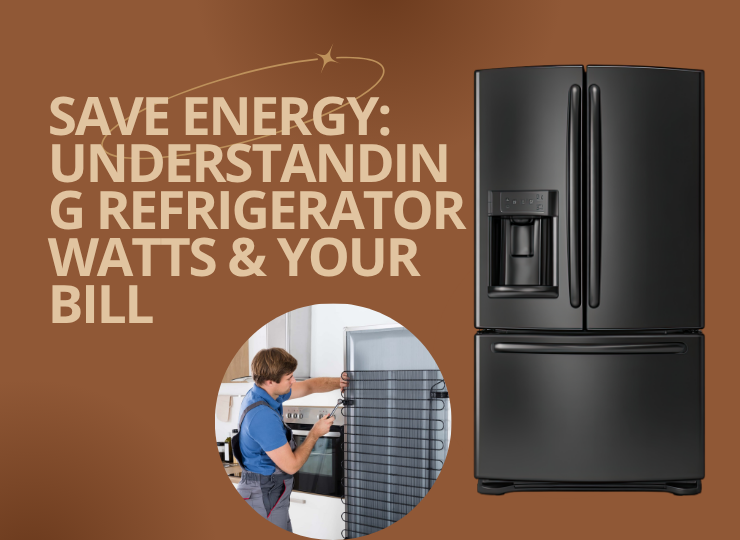
French Door Refrigerators: 350–800 watts
These values may vary depending on age, model, and build quality, but they give a clear idea of how Refrigerator Watts differ between types.
How to Check Your Refrigerator’s Wattage
To understand your personal refrigerator power consumption, you can:
✔ Check the Appliance Label
Most refrigerators have a power rating sticker inside the fridge or on the back panel.
✔ Look at the Manufacturer’s Manual
The manual lists wattage along with energy consumption information.
✔ Use a Power Meter
Plugging your fridge into a power meter gives you real-time insight into your actual refrigerator electricity usage, including start-up and running wattage.
Energy Saving Tips for Refrigerators
Lowering your fridge’s wattage usage doesn’t require major changes. Here are effective energy saving tips for refrigerators:
1. Maintain Proper Temperature Settings
Set the fridge between 37°F to 40°F (3°C–4°C) and the freezer at 0°F (-18°C). Overcooling wastes energy.
2. Keep the Door Closed
Every time you open the door, warm air enters, forcing the compressor to work harder and increasing Refrigerator Watts usage.
3. Clean the Condenser Coils
Dusty coils decrease cooling efficiency. Cleaning them every six months can reduce appliance energy usage significantly.
4. Ensure Proper Airflow
Leave a few inches of space around your fridge for ventilation. Poor airflow increases energy usage.
5. Defrost Regularly (For Manual Models)
Frost buildup acts as insulation, making the fridge work harder and use more watts.
6. Upgrade to an Energy-Efficient Model
Newer Energy Star appliances can cut your refrigerator power consumption by up to 40%, helping you save money on utilities over time.
When Should You Consider Replacing Your Refrigerator?
If your fridge is more than 10–15 years old, it may consume nearly double the wattage of modern units. If you notice:
Excessive noise
Frequent compressor running
Increased monthly bills
…it’s likely time to consider an upgrade. Choosing a high-efficiency model is a long-term investment that offers reliable cooling and lower refrigerator electricity usage.
Why Understanding Refrigerator Watts Matters
Learning about Refrigerator Watts gives you control over your energy usage. By knowing how refrigerator wattage impacts your home, you can:
Calculate true appliance energy usage
Reduce monthly energy costs
Make smarter appliance purchases
Improve household energy efficiency
Extend the life of your refrigerator
Small adjustments can lead to a consistently lower electricity bill, making your home more sustainable and cost-effective.
Internal Link (Natural Placement)
If you’re exploring other home appliances to improve energy efficiency, you may also enjoy reading our helpful guide on the Best Steam Iron for Clothes for smart, effective garment care.
Final Thoughts
Understanding Refrigerator Watts isn’t just for homeowners researching new appliances—it’s useful for anyone committed to managing household energy, improving efficiency, and reducing expenses. By knowing what affects fridge wattage, monitoring your refrigerator power consumption, and implementing simple energy saving tips for refrigerators, you can significantly lower your energy costs while ensuring optimum appliance performance.