
Cut Cooler Electricity Consumption Now!
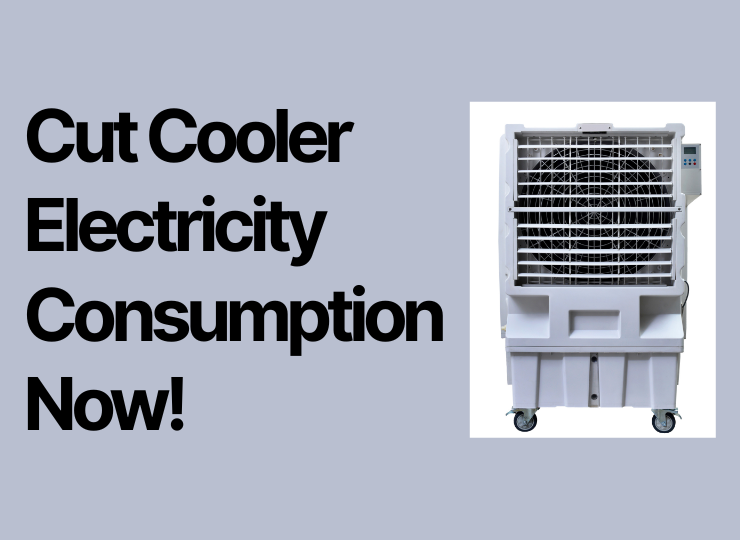
When temperatures rise, one of the first appliances we rely on is the air cooler. While air coolers are more energy-efficient than air conditioners, many households still face high power bills due to inefficient usage habits. If you’re looking for ways to optimize your Cooler Electricity Consumption, you’re in the right place. This comprehensive guide explains how you can dramatically reduce power usage, improve cooling performance, and save money—all while staying comfortable during the hottest months of the year.
Why Cooler Electricity Consumption Matters
Managing your Cooler Electricity Consumption isn’t just about saving money—it’s about improving the efficiency and lifespan of your cooling appliance. Many users overlook simple steps that can reduce cooler energy use without sacrificing cooling comfort. By understanding how your cooler works and what affects its performance, you can make smart decisions that lower your monthly energy bills and ensure optimal cooling appliance efficiency.
Understanding How Much Electricity a Cooler Really Consumes
Air coolers typically consume between 100 to 250 watts depending on their size, fan speed, and water pump power. While this is much lower than air conditioners, poor maintenance or inefficient usage can still lead to unnecessary energy waste. Factors that influence Cooler Electricity Consumption include:
Cooler capacity
Fan or blower type
Humidity levels
Running hours per day
Placement and ventilation
If you don’t optimize these elements, your cooler may pull more power than necessary, resulting in higher bills.
Top Strategies to Reduce Cooler Energy Use
1. Position the Cooler for Maximum Airflow
Proper placement can significantly lower cooler electricity consumption. Keep your cooler near a window or well-ventilated area so it can draw in fresh air. This boosts cooling performance and allows the appliance to run on lower fan speeds.
2. Always Keep the Cooling Pads Clean
Dirty or clogged cooling pads force the motor to work harder, resulting in higher power usage. Whether you have honeycomb or wood wool pads, clean them regularly and replace them every season to ensure cooling appliance efficiency.
3. Fill the Cooler with Cool Water or Add Ice
Using cooler water helps the appliance deliver colder air faster, which means you won’t need to run it at high speed all the time. This simple habit helps lower cooler power consumption without any extra cost.
4. Run the Cooler in an Already Ventilated Room
Unlike ACs, coolers require airflow to function efficiently. A cross-ventilated room improves cooling speed and significantly helps save electricity on coolers since the cooler doesn’t need to work at maximum capacity.
Choosing Energy-Efficient Coolers for Lower Power Bills
If your cooler is old or outdated, upgrading to energy-efficient coolers can dramatically reduce your Cooler Electricity Consumption. Modern coolers use advanced motor technology, inverter compatibility, and high-density cooling pads to deliver more cooling using less electricity. Look for features like:
BLDC motors
Inverter-compatible power systems
Copper winding motors
Variable speed control
Superior honeycomb pads
These features ensure lower power usage and longer appliance life.
How Smart Usage Habits Lower Cooler Power Consumption
Your daily habits have a major impact on cooler energy use. Try implementing these adjustments:
Use a Timer or Auto-Off Feature
Running your cooler for longer than needed wastes electricity. A timer ensures that the appliance shuts off automatically once the room reaches a comfortable temperature.
Opt for Medium-Speed Settings
Highest fan speeds consume more energy. For most situations, medium speed is sufficient and improves Cooler Electricity Consumption without reducing the cooling experience.
Avoid Overfilling the Water Tank
This may seem harmless, but an overloaded tank can increase motor strain. Keep it filled only to the recommended level.
Maintenance Tips to Enhance Cooling Appliance Efficiency
1. Lubricate the Motor and Fan
Regular lubrication reduces mechanical resistance, helping the motor run smoothly and reducing power consumption.
2. Check the Pump Periodically
A weak pump results in improper water circulation, forcing the cooler to operate less efficiently. Clean the pump and ensure that water flows freely through the pads.
3. Inspect Wiring and Electrical Connections
Faulty wiring can cause voltage fluctuations, increasing your Cooler Electricity Consumption. Have a technician inspect the appliance annually.
Advance Your Savings: Combine Coolers With Renewable Energy
For homeowners dedicated to maximizing energy savings, combining your air cooler with a renewable energy solution can produce remarkable results. For example, switching to a Solar Air Conditioner or integrating solar power with your cooler can reduce electricity bills even further. You can learn more about solar-powered cooling options in our guide:
Solar Air Conditioner: Save 50% Energy in 2026.
How Much Can You Save by Optimizing Cooler Electricity Consumption?
With proper habits and maintenance, you can reduce your Cooler Electricity Consumption by 20–40%. For average households, this leads to significant savings over the course of a hot season. The best part is that most of these improvements require little to no investment.
Future Trends: Smarter Coolers Means Lower Bills
New-age coolers with smart sensors and Wi-Fi control are set to revolutionize the market. They optimize airflow, water usage, and motor speed automatically to deliver the best cooling at the lowest energy cost. These innovations promise to take cooling appliance efficiency to a whole new level.
Final Thoughts
Managing your Cooler Electricity Consumption is easier than most people think. With the right placement, regular maintenance, mindful usage, and investment in modern energy-efficient coolers, you can significantly reduce your electricity bills while enjoying better cooling performance. Start implementing these strategies today, and you’ll feel the difference in both comfort and savings.